Gran Turismo 3, The PS2’s Defining Racing Game, Somehow Works on a Sega Dreamcast
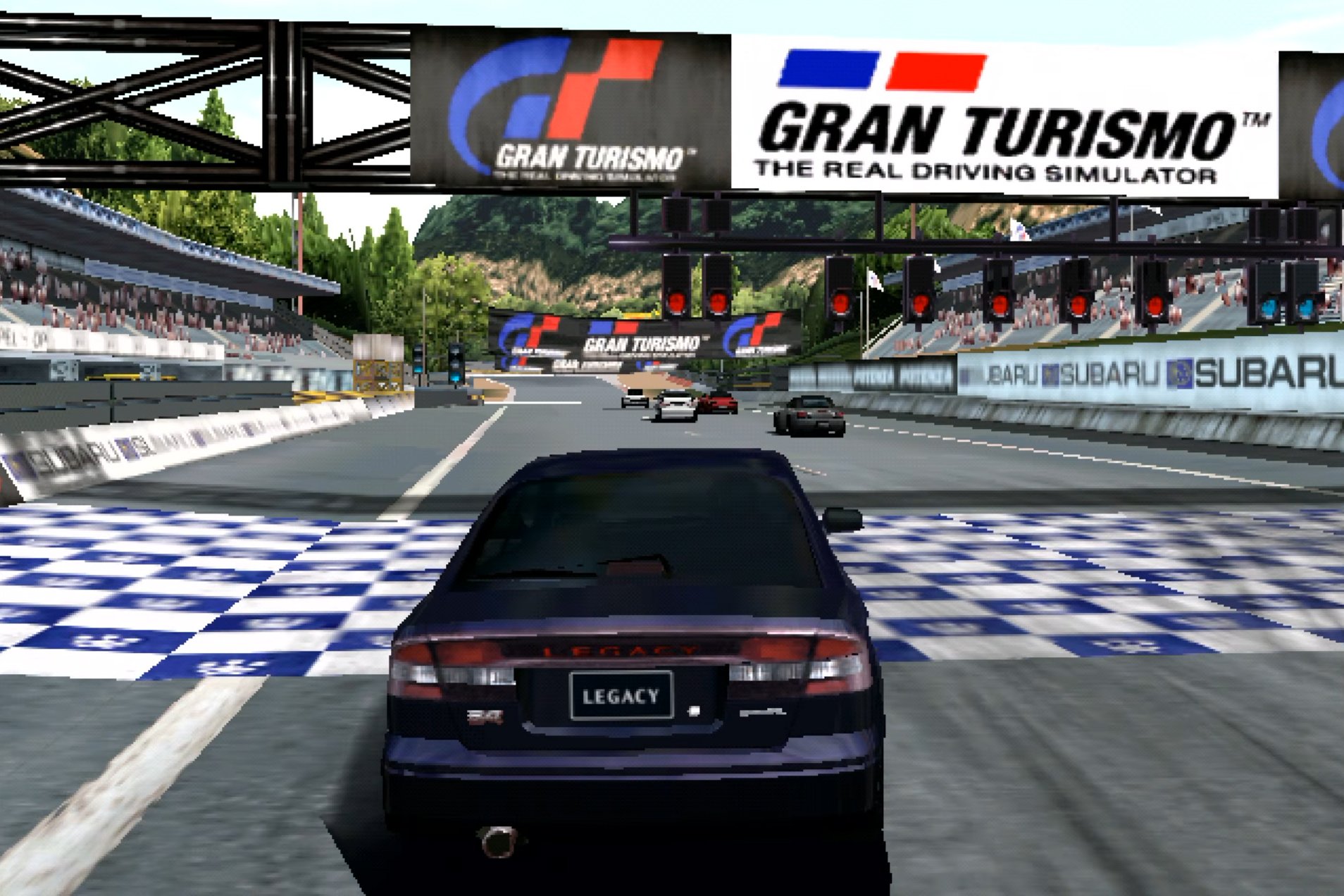
A hobbyist developer has successfully ported Gran Turismo 3 to the Sega Dreamcast, proving the discontinued console had more untapped potential than originally believed.
2 comments
Sign in to join the discussion.
Sign inThis hobbyist port isn't just a curiosity—it's a stark reminder that hardware capability means nothing without the commercial ecosystem to exploit it. The Dreamcast's premature death mirrors what we're watching unfold in ADAS platform fragmentation today: technically capable systems dying on the vine because OEMs can't align on standardization or timing. For mobility operators evaluating next-gen sensor suites or compute platforms, the lesson is brutal but clear—don't bet on technical superiority alone. The winning architecture will be the one that secures toolchain maturity, third-party validation pipelines, and cross-platform developer buy-in fastest. ISO 26262 certification timelines and ecosystem lock-in matter more than raw TOPS specs when your product lifecycle spans a decade.
This gaming archaeology reveals something deeper: certification and validation frameworks often lag the hardware they're meant to govern. The Dreamcast had processing headroom that regulation—or in this case, commercial structure—never authorized for full exploitation, much like today's hybrid-electric propulsion systems capable of performance envelopes their type certificates don't yet recognize. Regional aviation faces an identical trap. We've got distributed electric architectures ready for 300+ nautical mile missions, but airworthiness pathways written for turboprops and piston twins. Operators should pressure certification bodies now—not after the hardware matures—to establish adaptive validation criteria that scale with capability, or we'll strand another generation of viable technology at the development gate.

