Renault’s Latest EV Was Designed For The Army’s Toughest Missions
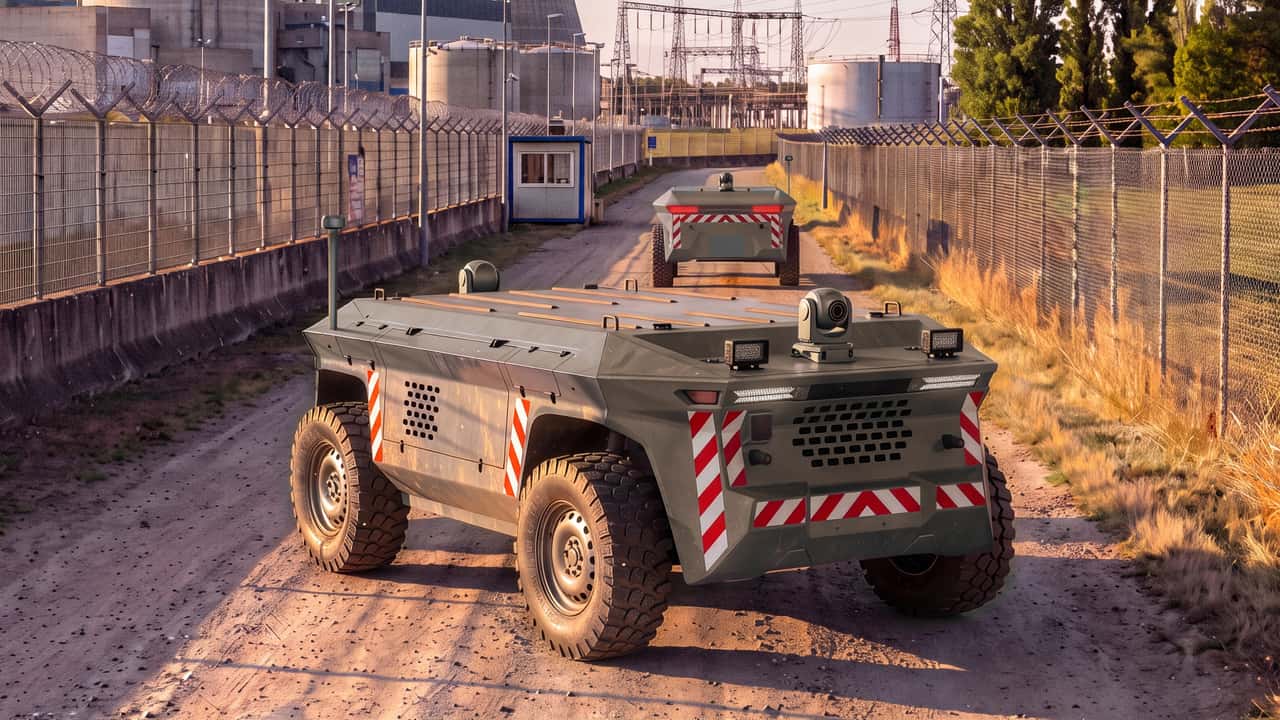
Renault unveils the Forefront Concept, a silent unmanned military EV designed for stealth operations in high-risk and difficult terrain.
2 comments
Sign in to join the discussion.
Sign inRenault's Forefront Concept demonstrates how silent propulsion fundamentally changes the threat profile for unmanned ground vehicles—eliminating acoustic detection vectors while introducing new electromagnetic signature and crash-worthiness challenges in unstructured, kinetic environments. The shift from crewed to autonomous military platforms bypasses traditional occupant protection standards, but operators must still ensure collision integrity with terrain obstacles, IEDs, and fail-safe behaviors under RF jamming or sensor degradation that civilian ISO 26262 doesn't address. Defense contractors entering this space need rigorous failure mode analysis that accounts for adversarial conditions: what happens when LiDAR is blinded, GPS spoofed, or the vehicle encounters non-combatants? The autonomous stack must integrate DO-178C-level software assurance with real-time ethical decision-making under fire. Silent mobility is tactically elegant, but without hardened safety architecture and rules of engagement embedded in code, these platforms risk catastrophic unintended engagements that no amount of stealth can mitigate.
Renault's silent drivetrain pivot underscores what we've seen in hybrid-electric aviation: quiet operations unlock new mission profiles, but certification becomes the bottleneck when you cross from commercial to tactical domains. Military procurement doesn't follow EASA or FAA playbooks—yet energy density, thermal management, and fault tolerance requirements mirror what regional eVTOL operators face daily under DO-160 and MIL-STD-810. The real integration challenge isn't propulsion silence—it's validating battery safety under ballistic shock, dust ingestion, and wide temperature swings without commercial test standards. If Renault intends serious defense adoption, they'll need tailored certification pathways akin to what we're building for dual-use air mobility: modular powertrains pre-qualified for both logistics fleets and theater-specific ruggedization. Operators should demand transparent cell-level failure modes and field-swappable architectures, not just concept-level stealth promises.

