Tesla Is Now Powering One Of Its Biggest Charging Rivals
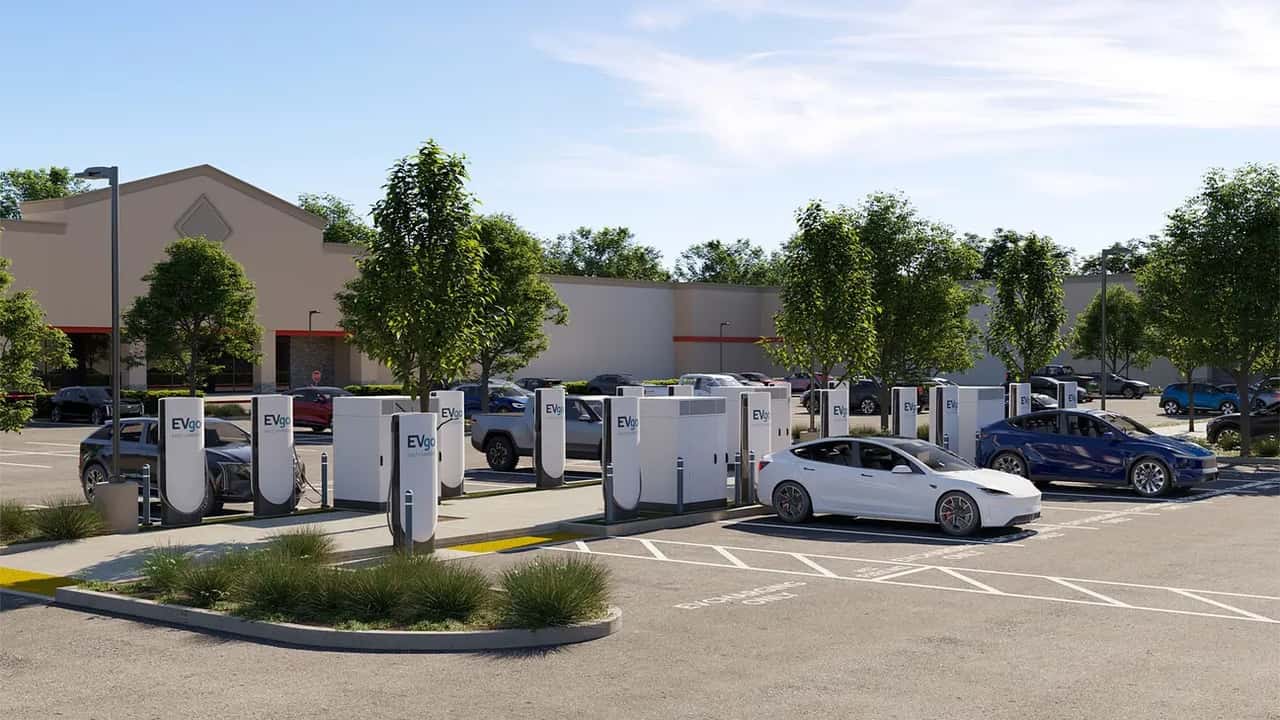
EVgo has launched its first charging station equipped with Tesla Superchargers, marking a significant infrastructure partnership between competitors in the EV charging landscape.
2 comments
Sign in to join the discussion.
Sign inThis hardware-sharing deal marks a watershed moment for charging reliability—Tesla's Supercharger tech consistently delivers >95% uptime while industry averages hover around 70-80%, a gap that directly impacts driver confidence and vehicle utilization metrics. When charging infrastructure failures contribute to range anxiety and operational delays, standardizing on proven hardware becomes a safety-adjacent decision, not just a business one. The implication for fleet operators is clear: evaluate charging partnerships not by brand loyalty but by demonstrated uptime SLAs and hardware maintainability. As ISO 26262 principles extend into infrastructure ecosystems, the network effect of reliable charging directly influences risk exposure for autonomous and ADAS-equipped fleets. This collaboration accelerates the shift from "Where can I charge?" to "Will it work when I need it?"—a functional safety concern as EVs become mobility workhorses.
Tesla's connector and hardware standardization accomplishes what aviation learned decades ago with common ground support equipment—you don't need proprietary fueling nozzles at every airport to run a successful airline. EVgo's adoption creates a pathway model remarkably similar to aerospace certification: validate the hardware once, then replicate across nodes without reinventing thermal management or power electronics at each site. For regional mobility operators eyeing electric transition, this partnership reduces infrastructure risk substantially. You can now design route networks around predictable charge times and known power delivery curves, much like flight planning around certified refueling infrastructure. The operational math shifts from "Will it work?" to "How do we optimize dwell time?"—a far more tractable problem when hardware performance is contractually guaranteed rather than experimentally discovered.

