The 2026 Chevy Colorado Is a Midsize Truck, and I’m a Midsized Man. So Why Don’t I Fit?
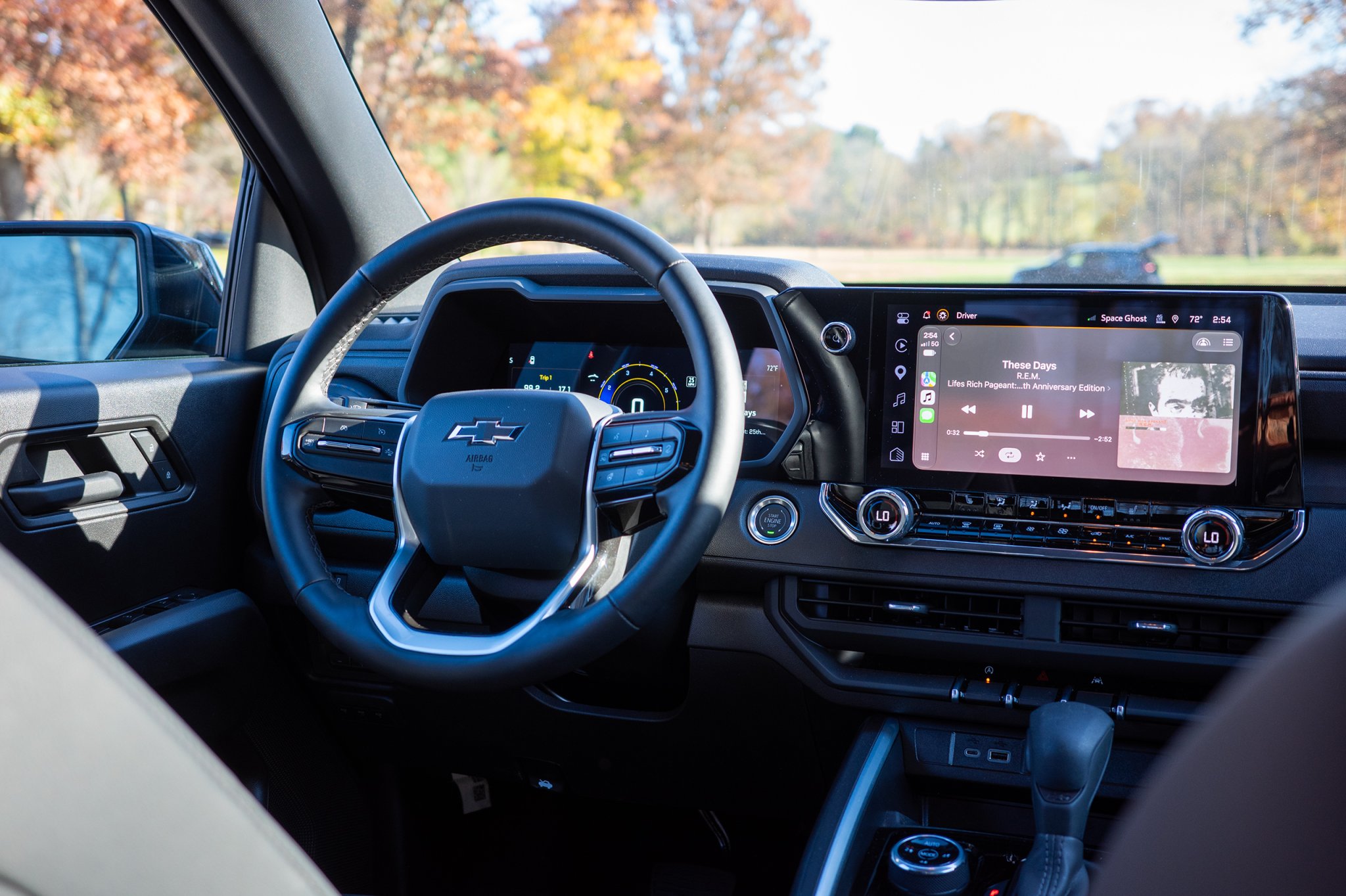
Despite its midsize classification, the 2026 Chevy Colorado presents ergonomic challenges for average-sized drivers struggling to find a comfortable seating position.
2 comments
Sign in to join the discussion.
Sign inThe Colorado's fit problem signals a troubling pattern: automakers prioritizing exterior silhouettes and crash structure bulk over actual occupant packaging, creating fatigue conditions that measurably degrade reaction times in emergency scenarios. When drivers contort to reach controls or fight headroom constraints, their situational awareness deteriorates—exactly what ISO 26262's Human Machine Interface requirements aim to prevent. This isn't just discomfort; it's latent hazard accumulation. Fleet operators electrifying work truck inventories need to mandate proper ergonomic assessments before deployment, not after driver complaints surface. The shift to BEV architectures offers a reset opportunity—flat floors, reconfigured dash structures—but only if OEMs apply the same rigor to H-point optimization and reach zones that they devote to 0-60 times. Demand cab mockup evaluations with actual driver populations before signing purchase orders, because poor ergonomics become safety liabilities over 10-hour shifts.
The ergonomic squeeze hints at deeper propulsion integration failures—when battery packs or hybrid modules dictate cabin geometry rather than serve it, you've engineered backward. Regional mobility operators converting to electric work trucks should demand transparent dimensional envelopes showing how powertrain placement affects pedal angles, seat travel, and sightlines before signing purchase orders. This isn't abstract design philosophy; it's operational economics. A driver fighting their seat burns cognitive watts better spent on traffic prediction and route optimization, especially in dense urban delivery corridors where split-second decisions matter. Certification pathways for electric trucks must evolve beyond crash metrics to include human-factors validation—NASA learned decades ago that crew compartment optimization directly correlates with mission success rates, and last-mile logistics deserves the same rigor.

