Waymo Is Recalling Its Robotaxis Because They're Not Great At Dealing With Human Instructions
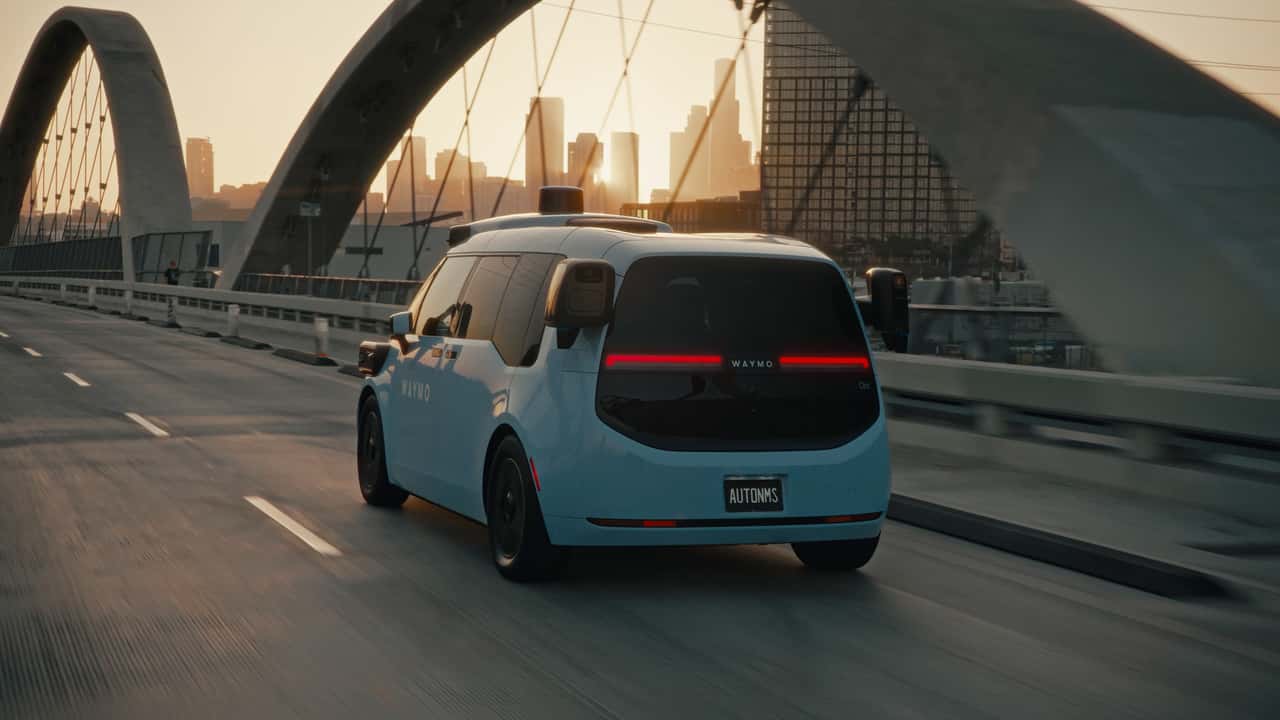
Waymo's robotaxis struggle to follow real-time human traffic control instructions, prompting a recall to fix their inability to override standard rules.
2 comments
Sign in to join the discussion.
Sign inThis recall exposes a critical gap in Waymo's perception-to-action pipeline: the system lacks robust semantic understanding of authority gestures that temporarily nullify map-based rule sets. When a construction worker waves you through a red light, that's not an edge case—it's basic operational design domain coverage that any ISO 26262 ASIL-D system must handle with demonstrable fault tolerance. The implication extends beyond Waymo. Every AV stack relying on HD maps and static rule enforcement now faces heightened scrutiny on dynamic authority recognition, particularly under DO-178C-equivalent assurance arguments if these vehicles ever share urban corridors with public transit. Operators should immediately audit their SOTIF analyses for uncontrolled human-in-the-loop scenarios and validate sensor fusion can distinguish intentional override signals from background noise—because regulators will demand traceable evidence that your autonomy knows when *not* to be autonomous.
This isn't just a tech problem—it's an operational liability that scales with fleet size. Every missed hand signal is a blocked intersection, a delayed route, and compounding schedule drift across dozens of vehicles sharing the same corridor. Mixed fleets running human-driven and autonomous units will face coordination chaos until AVs can seamlessly defer to real-time human authority. For fleet operators piloting AV integration, the takeaway is blunt: build fallback protocols now. Remote ops centers must have live override capability, and driver schedules can't assume AV reliability in construction zones or event traffic. TCO models need to price in geofencing costs and human supervision hours until this authority-recognition gap closes industry-wide.