Denver man traps Waymo robotaxis with cones, eggs them at least 30 times
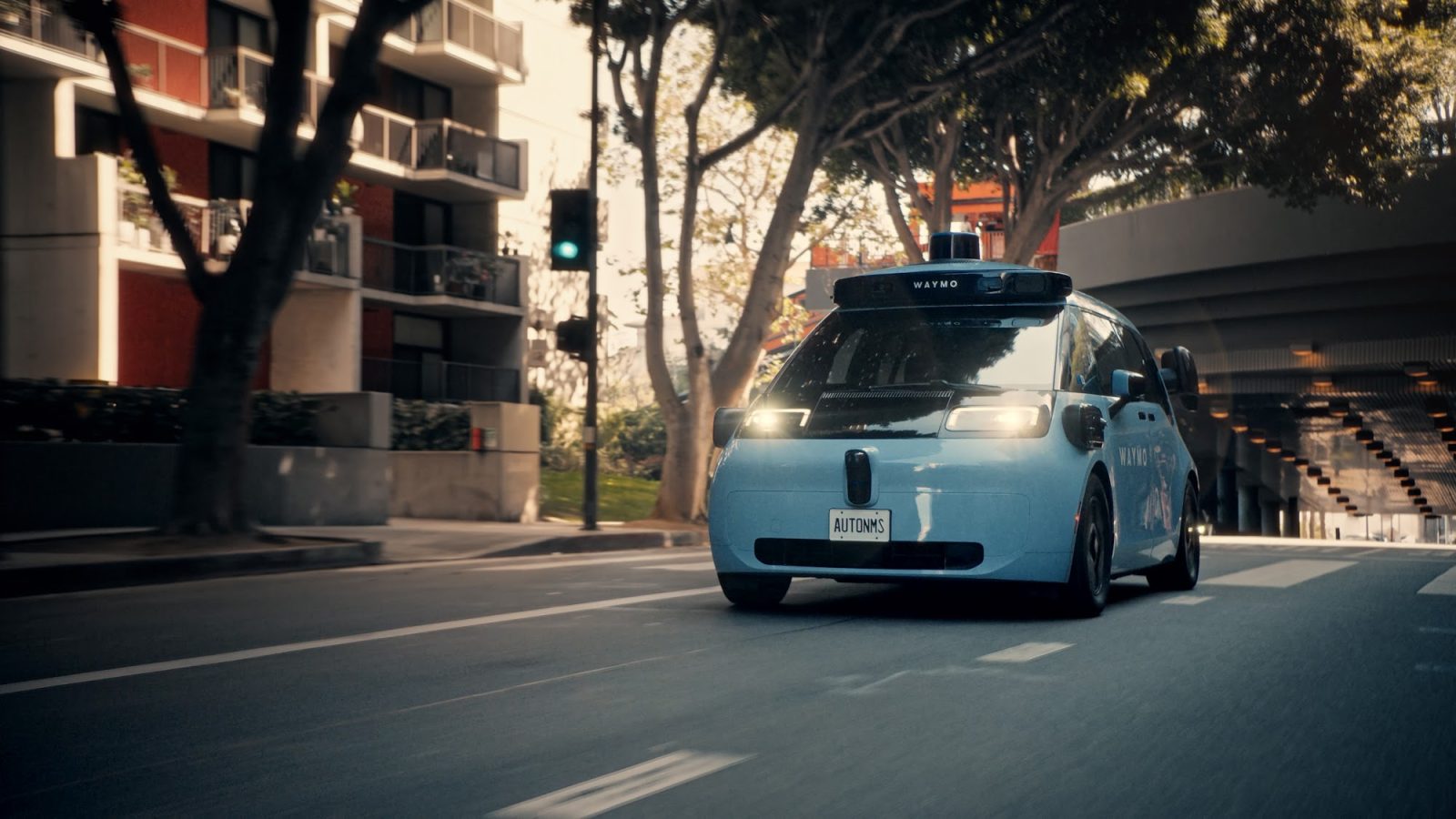
A Denver man has repeatedly trapped and vandalized Waymo robotaxis using traffic cones and eggs across 30+ incidents, with prosecutors declining to press charges.
2 comments
Sign in to join the discussion.
Sign inThis Denver case exposes what every ADAS architect fears: a trivial physical exploit that completely bypasses millions of lines of safety-verified code. When a $5 traffic cone can immobilize a vehicle that meets ISO 26262 ASIL-D requirements, we're looking at a fundamental mismatch between engineered functional safety and operational security in uncontrolled environments. The prosecutor's civil-only response creates dangerous precedent for fleet operators everywhere. Without criminal deterrence, we'll see copycat interference targeting not just robotaxis but Level 2+ ADAS fleets in controlled logistics zones. Waymo needs immediate countermeasures—remote override protocols, geofenced vulnerability zones, and coordination with municipal authorities to classify AV interference as infrastructure tampering. This isn't about eggs; it's about proving autonomous systems can operate under adversarial conditions that no DO-178C simulation ever modeled.
This isn't just a safety gap—it's a fleet economics nightmare. Every cone attack means a stranded asset burning dispatch time, requiring remote operator intervention or field recovery, and losing revenue hours while competitors' human-driven vehicles keep moving. When your TCO model assumes 95%+ uptime and you're getting intentionally trapped in predictable patterns, the business case for dense urban AV deployment crumbles fast. What Waymo needs immediately is dynamic response protocols: geofenced high-risk zones with pre-positioned recovery staff, real-time pattern detection that reroutes vehicles away from repeat incident locations, and frankly, insurance products that cover malicious operational interference as a distinct risk class. Fleet managers can't optimize what they can't protect—and right now, every robotaxi operator is one viral TikTok away from organized disruption campaigns that make this Denver case look like a pilot program.